 BFF Academy · EZ course
 Saddle fore/aft
Why fore/aft is the next adjustment
Once your saddle is at the right height, the next decision is how far forward or backward it sits on its rails. Fore/aft controls how your hips sit relative to the bottom bracket. Do height first: it's the largest single influence on leg mechanics, and changing it also shifts the optimal fore/aft, so settling it first saves you from redoing this later.
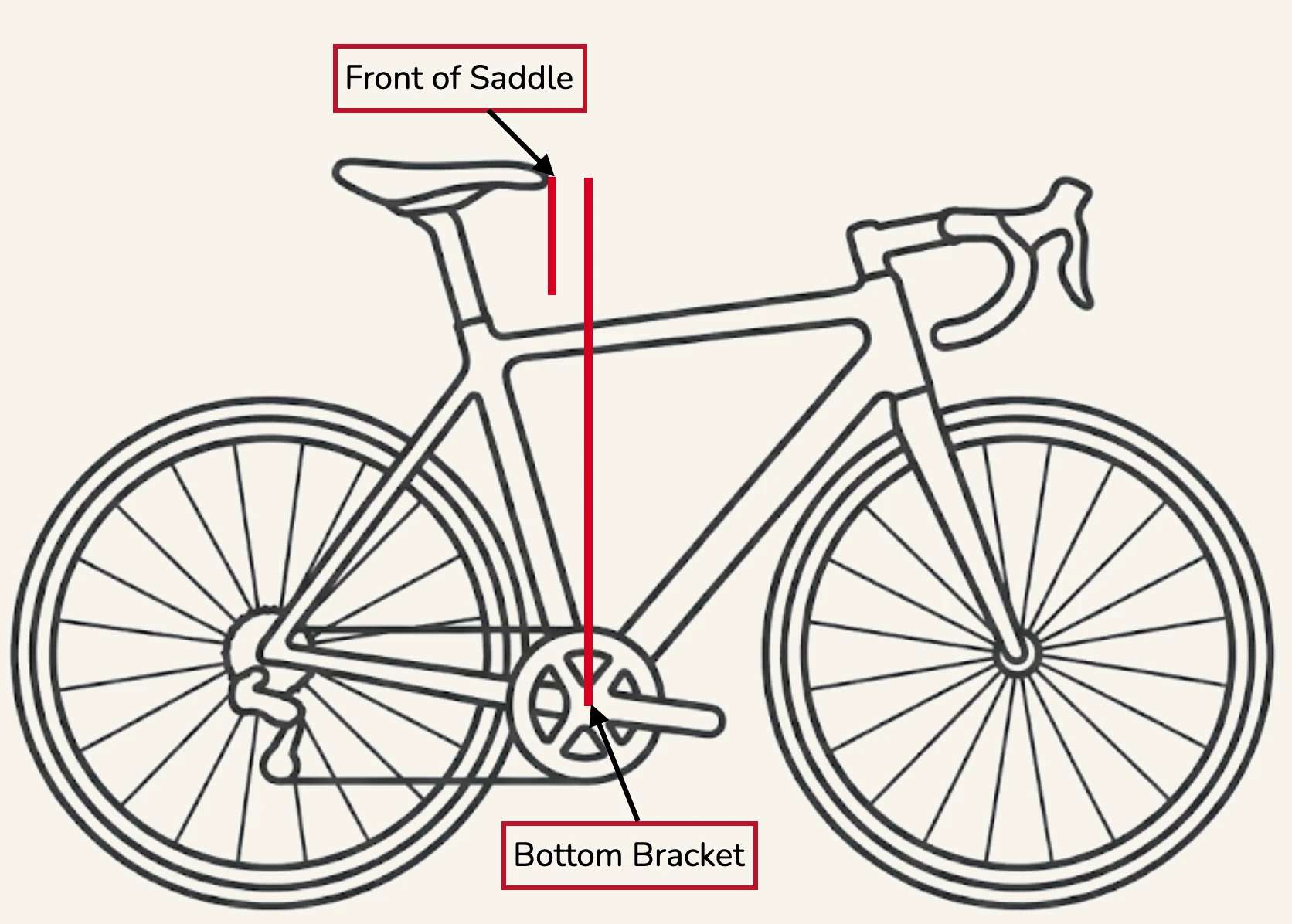
| Wrong direction | What's happening | What you feel |
|---|---|---|
| Too far forward | Hips ahead of the seatpost; weight onto hands and front wheel; knees ahead of the pedals. | Pressure in wrists and hands; front-of-knee strain. |
| Too far back | Hips behind where they want to be; hamstrings over-recruited reaching for the pedals. | Back-of-knee tightness, lower-back strain, sliding forward on the saddle. |
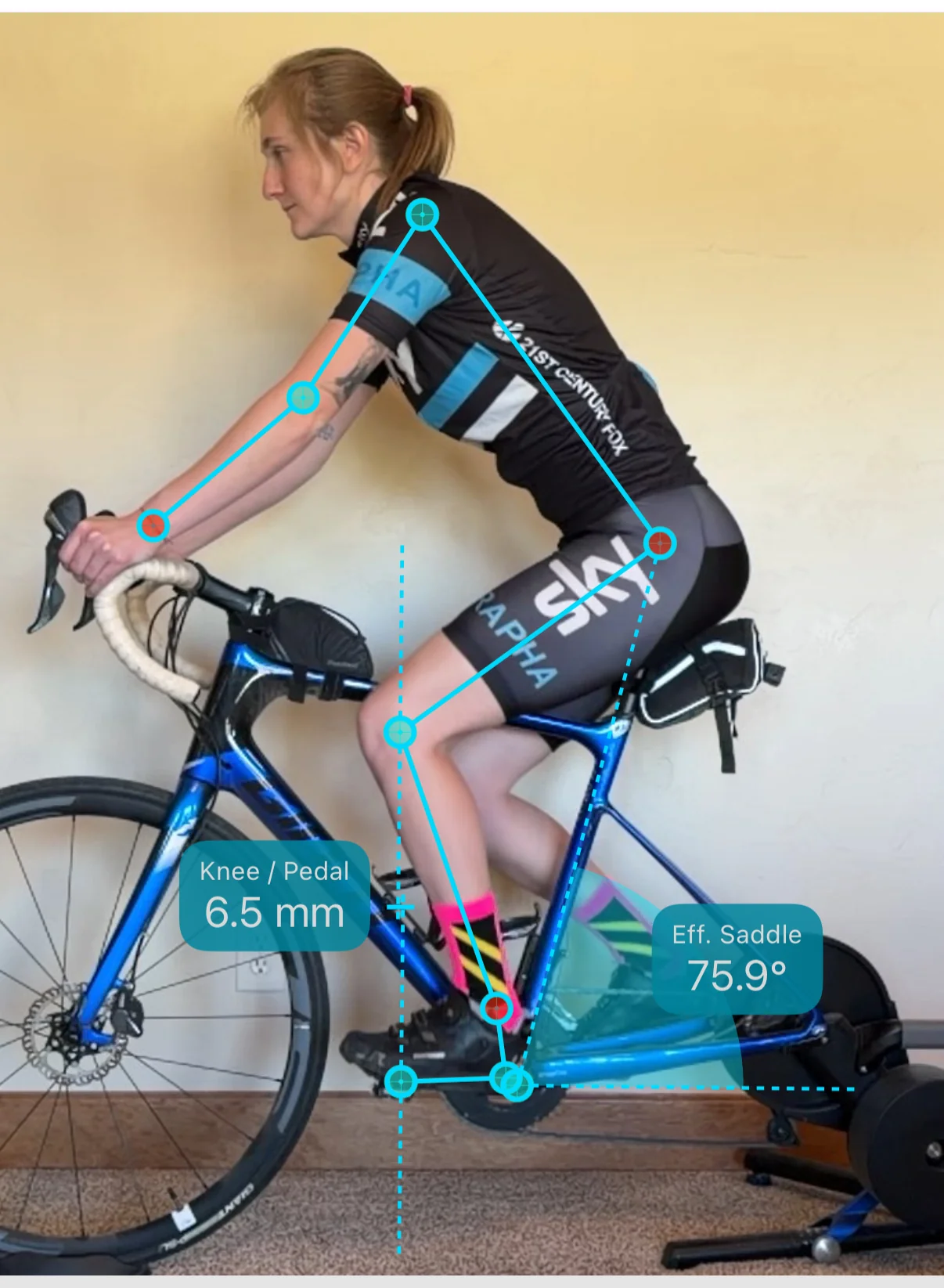
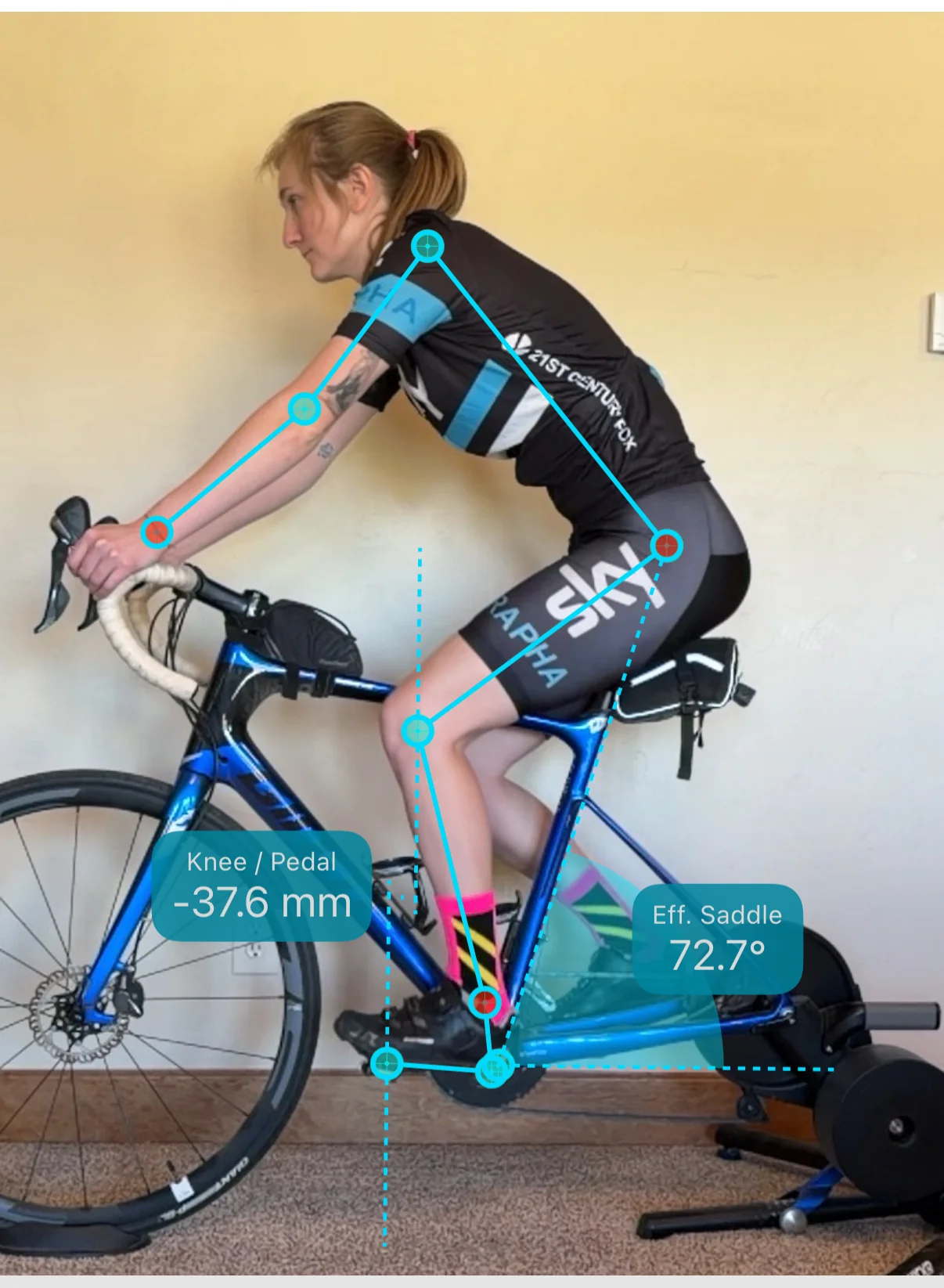
In between those two extremes is a window, the same fit window idea from Lesson 1: your correct fore/aft isn't a single point on the rails, it's a range your hips settle into.
Was this section helpful?Tell us more