BFF Academy · EZ course

Upper body position

about 9 minutes Lesson 5 of 6 Section 3 of 8

The three positions

The three positions sit on a spectrum, from more upright to more aggressive. Anywhere along it can be a valid choice.
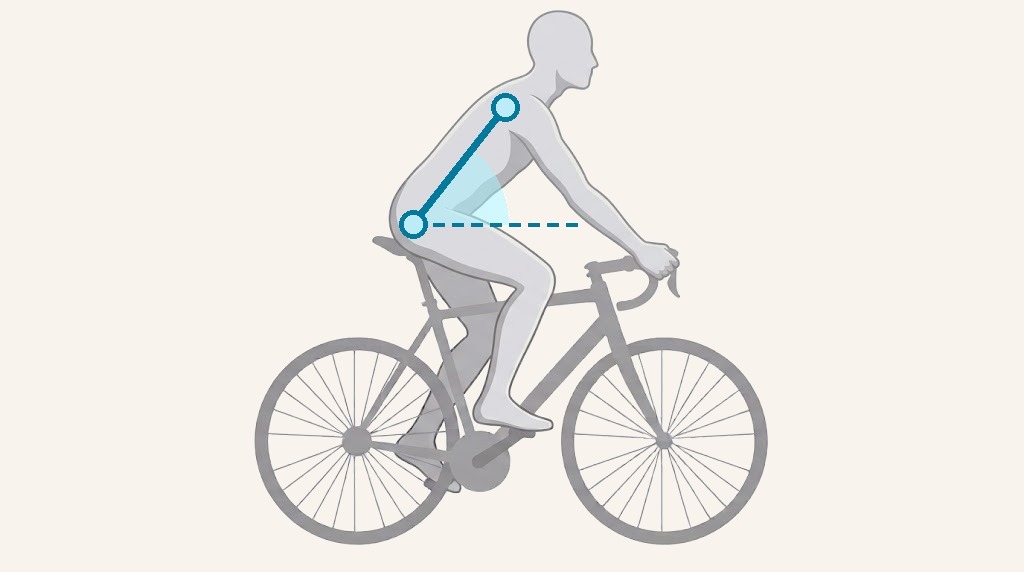
A cyclist on a road bike in the upright position: torso close to vertical, hands high on the bar tops, head up. A teal line marks the torso angle from hip to shoulder.
Upright: torso closer to vertical, hands high. The easiest position to hold, but it catches the most wind. Good for comfort, traffic, and technical terrain.
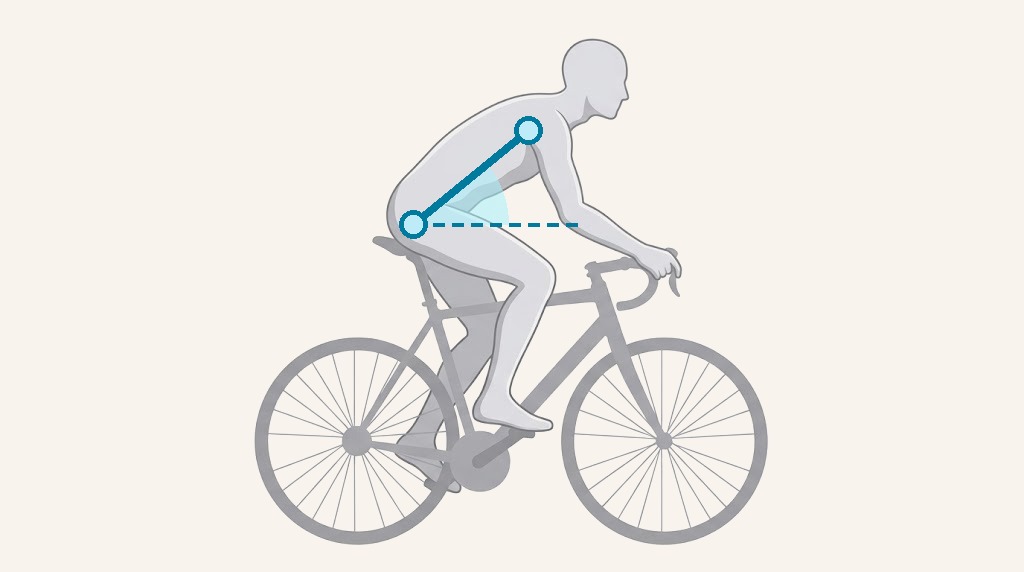
The same cyclist in the relaxed position: torso midway between vertical and horizontal, hands on the brake hoods. The teal torso-angle line sits lower than in the upright position.
Relaxed: between vertical and horizontal, on the tops or hoods. The all-around compromise most road bikes ship with.
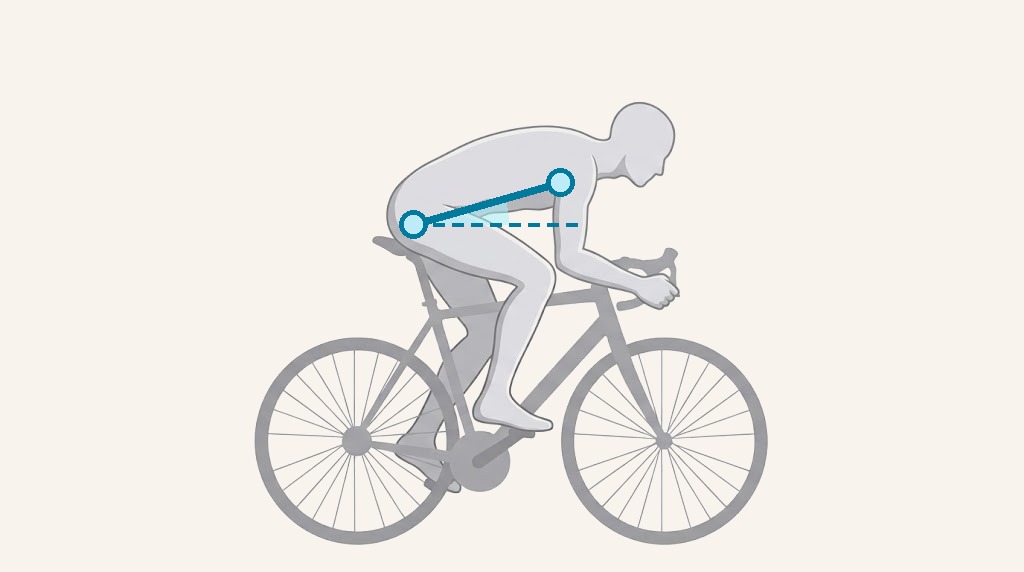
The same cyclist in the aggressive position: torso low and close to horizontal, hands in the drops. The teal torso-angle line is the shallowest of the three.
Aggressive: torso closer to horizontal, in the drops or on aerobars. More speed for the same power, but it needs flexibility and core strength to hold.

Position is a choice across valid zones, not a target to land in. You change upper body position with the handlebars and stem.


The drawings are approximations, with the differences exaggerated a little so they're easy to see. The app reads your actual torso angle from your video.

Was this section helpful?
Tell us more